
Menu
Ease Your Nursing Academic Journey with Nursing Whispers. Get custom Assignments, Homework, Research Papers and Classes done at competitive Prices. We'll do the Heavy-Lifting.
Introduction
Nurses are more than caregivers—they are educators, advocates, communicators, and collaborators. In providing basic care and comfort, nurses apply a holistic lens to assess, prioritize, and respond to patient needs. Whether addressing the comfort of a chronically ill patient, communicating with a client from a different cultural background, or planning a thorough health assessment, nurses must integrate clinical knowledge with critical thinking, cultural competence, and therapeutic communication skills.
This week’s discussion is an opportunity to reflect on how foundational nursing practices like assessment, communication, and culturally respectful care support holistic healing and patient-centered outcomes.
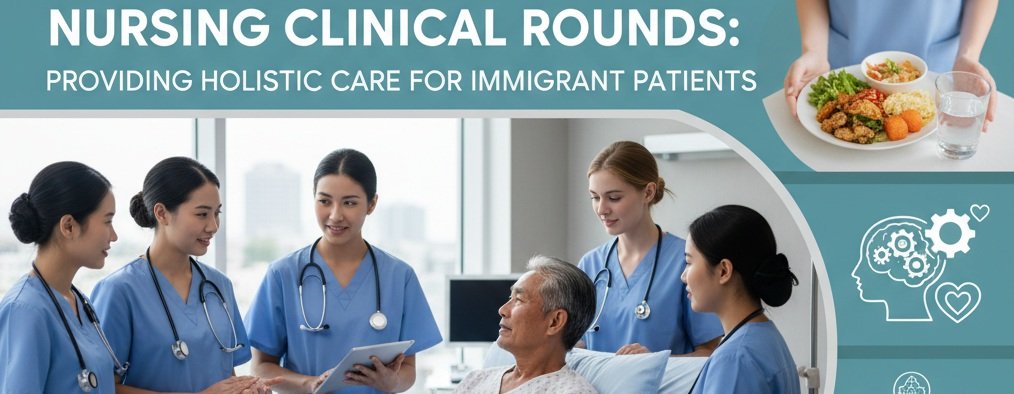
Mr. Phouvong Chanthavong, a 61-year-old recent Laotian immigrant, is admitted to the hospital with pneumonia and newly diagnosed type 2 diabetes. He speaks little English. His daughters are bilingual and often translate for him. Mr. Chanthavong appears disoriented during your shift, frequently declines hospital meals, and shows signs of dehydration and fatigue. His chart shows a temperature of 100.8°F, glucose level of 248 mg/dL, and mild pedal edema. His weight is down 4 lbs from last week. He seems reluctant to ask questions and frequently looks to his daughters for answers.
Choose ONE of the following categories and respond thoroughly:
Resources
Holistic care and complex needs: unveiling the full potential of modern nursing – PMC
Related Questions What are the differences that may affect Cuban-American patients who immigrated at different times?